How to Experience the Alps Beyond the Snow Season
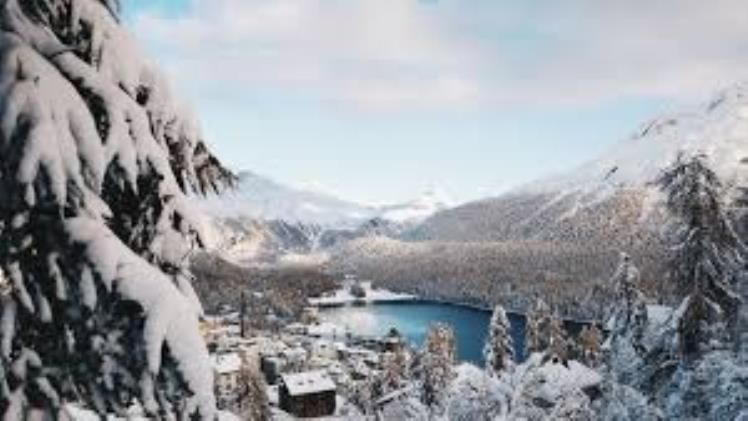
The moment many people hear “the Alps”, they think of skiing, snowy slopes, snowmen, and chalets. However, when the snow melts, the Alps become a different kind of magical experience – sun-kissed, lush, colorful, culturally rich, and explorational. Whether it’s spring flowers, summer lakes, or golden valleys in the fall, the Alps are just as if not more gorgeous without the snow (and without the tourists). This means calmer villages, quieter trails, and more intimate cultural experiences with the locals – along with incredible temperatures and views that melt the heart more than the snow does. How to experience the Alps in the off-season and during these months makes for a very different kind of mountainous experience.
Exploring The Alps in Spring for Scenic Strolls and Picturesque Walks
Spring is the season that reawakens the Alps from winter. The thawing means streams and waterfalls flow vigorously, meadows awaken with flowers of all colors, and valleys boast tall grasses and various shades of green. Visiting during this time gives you a chance to experience the trails before the throngs of tourists arrive for summer and observe the rebirth of nature. Getting from Aspen to Denver is often compared by travelers who appreciate peaceful shoulder seasons in mountain regions, drawing parallels between the serenity of springtime journeys in the Rockies and the Alps. Villages are tranquil as locals prepare gardens and re-opening seasonal markets. The daytime air is cool but not uncomfortably chilly, making this a perfect season for walks, gentle hikes, and relaxing by the lakes. While the higher paths may still be snowed in, lower trails boast fauna and flora with powerful scents of pine and wildflowers. Spring in the Alps is poetic, the calm before the truly colorful and vibrant months ahead.
Experiencing The Alps in Summer for Lakes, Trails and Outdoor Activities
Summer brings out the most vibrant and dynamic months that the Alps have to offer. Long, sunny days produce lush greens on the slopes, bright blues of the lakes, and revealing whites of the mountains and rocky peaks. Travelers can explore outdoor opportunities at their leisure – hiking is one of the best ways to see the region up close, no matter if you’re an amateur wanting a valley stroll or an experienced hiker with days to spare for high-altitude passages. Lakes are suitable for swimming, paddle boarding, boating, and sunbathing on grassy banks. Bikers take to mountain passes while paragliders float over vast meadows. Families make good use of picnicking opportunities throughout various clearings while summer brings about colorful festivals and outdoor concerts in village squares where cafés spill out into the streets making it feel like an open-air living museum with something for everyone around every corner during the summer months.
Experiencing The Alps in Fall for Golden Calm and Slower Mountain Pace
Fall in the Alps is all about peace, beauty and reflection. When summer transitions to winter, the scenery changes from green to a golden glow of amber, red, and gold foliage. This means less foot traffic on trails with hikers enjoying stunning vistas for photography without crowds in the background. Cool mornings followed by sunny afternoons with trails opening up again at different times make this season perfect for hiking. Villages celebrate harvest time with food festivals, wine harvesting opportunities, and alpine-style markets with autumn-themed trinkets. In autumn, cool nights usher in warm indoor experiences – cozy mountain meals, herbal teas or fireside conversations at a comfortable chalet – which makes this season feel slower, more reflective, psychologically calming; thus a perfect season for travelers who want less bustle and more connection with nature.
Discover Car-Free Alpine Villages and Their Spirit
Many Alpine villages restrict or ban cars, creating an ideal atmosphere for off-season visits. Bettmeralp, Wengen, and Mürren are delightful places, albeit more picturesque when snow isn’t on the ground, when footpaths are carved out, and flower boxes paint the wooden chalets. A visit to these villages is done exclusively on foot, allowing for leisurely mornings, scenic observations, and social interactions with local inhabitants. Car traffic is replaced with birds chirping, cowbells jangling, and trees whispering. This kind of lifestyle can rarely be found in today’s busy world – car-free excursions to villages where one’s spirit embraces all things nature and the quaintness of a time that once was but now seldom is due to a busy ski season.
Experience Life Beyond Winter with Food, Culture and Tradition
Life in the Alps beyond winter is a cultural experience. During the summer and fall, frequent events focus on music and folklore and a multitude of fests surrounding mountain agriculture. For example, the Almabtrieb or désalpe, the cow festival where cows descend from mountain pastures embellished with costumes, takes place in September. Folk performances, dairy stations and homemade baked goods abound. Additionally, weekly village markets pop up showcasing artisanal cheese and fruit, herbs, and knickknacks for purchase by villagers and travelers alike. Travelers can take farm excursions to learn about cheese making and honey gathering and maintaining a mountain lifestyle. In addition, beyond winter means food comes to the forefront – seasonal dishes featuring vegetables, berries, herbs, and fresh dairy provide a lighter fare desired for warm-weather travel. Experiencing the culture of the Alps beyond winter brings vibrant food options to the forefront revealing the true culture and traditions of the region.
Wellness and Mindfulness in Refreshed Landscapes
The Alps outside of winter are good for wellness, relaxation and mental focus. Spa resorts in the region welcome travelers yearning for panoramic saunas and outdoor heated pools equipped with herbal treatments from mountain plants for a lavish experience. With herbs like St. John’s Wort and Valerian Root in abundance, it’s easy for spa technicians to craft special treatments for guests hoping to immerse themselves in nature healing. Nature-based wellness activities such as forest bathing (spending mindful time in wooded areas), mindful wanderings, lakeside yoga or summits for meditative focus become more accessible. The notion that life moves at a slower pace in spring, summer and autumn gives travelers more time to breathe in fresh air, let their guard down, and appreciate re-centering methods – easy to do with such picturesque mountain air to breathe in, peaceful lakes to admire and mind-clearing winds to listen to. For those who need emotional support as well as help finding physical balance, there are few better places than the Alps outside of winter to get one’s self back together again.
Scenic Drives and Train Rides Through the Alps Instead
Yet while winter means that many of these activities are impossible, during summer some of the most scenic drives and train rides through the Alps take shape. High passes like the Grossglockner High Alpine Road, Stelvio Pass and Furka Pass boast plenty of hairpin turns but simultaneously expansive views of valleys, waterfalls and glaciers just around the corner. Or summer trains like Bernina Express or GoldenPass Line traverse through lagoons, thick forests and towering rock formations. The best part about spending time in this part of the world in the offseason is that driving is more comfortable and allows for more exploration on one’s own time. Each bend and turn becomes an immersive experience within the mountainous landscape while the route chosen is ever-changing based on where travelers choose to go – it’s like a canvas of the Alps on the move, no longer restricted by cold-weather guidelines.
Why It’s Better Than Winter
Besides skiing, most travelers believe that the best time to enjoy mountains is in a snow-covered world. However, once travelers look beyond the castles and culture of the area in winter, it’s easy to find that without snow, even more can be done with the mountains. Flowers bloom, towns quiet down, and mountains call beyond adrenaline-infused slopes and heated lodges. Instead, travelers find themselves hiking on trails, wandering about lakes, attending an array of festivals (from harvest to cheese making) or learning more about natural wellness opportunities abound. These kinds of areas exist all throughout this region but remain hidden during peak season. With no skiing crowds, the natural splendor of the mountains can be appreciated even more through sightseeing, breathing, listening – the mountains themselves change, and the locals or those looking for an alternative find a much-needed, pleasantly transformative experience there.
Discovering Waterfalls and Gorges in the Off-Season
Finally, one of the best things about experiencing this region beyond winter is because so many natural features are frozen or buried under attractions and ice that only spring and summer reveal new surprises. Giant waterfalls come tumbling out from carved mountainsides as they melt into narrow gorges and ridges. Parts of the Alps that are closed during winter due to heavy snow become amazing viewpoints for travelers who take advantage of large-scale water features tumbling over steep, rocky edges. In fact, valleys have gorges carved out through centuries of ice melt. Travelers can seek suspended walkways through Liechtenstein Gorge, Aareschlucht and Partnach Gorge that provide cool relief on warm days full of sound and moisture instead of a focus on challenging hikes. These gorges are not just holes or valleys in the ground; they shift with fog and rushing water sounds to bring travelers deeply into their experience. Navigating these areas at a leisurely pace provides a better sense of how much natural force exists beneath heavy blankets of ice.
Alpine Lakes as Summer Playgrounds and Relaxation Spots
Once the winter snow melts, the alpine lakes become sparkling summer destinations. With their turquoise or deep-blue waters, they provide a refreshing venue for swimming, kayaking, paddleboarding, or simply lying along grassy banks and soaking in the warmth. From Lake Oeschinen to Lake Annecy and Achensee, alpine lakes are gorgeous places to explore during the summer months, providing picturesque backdrops for action and repose. Many regions boast rental boats, promenades for strolling around the edge, and lakeside cafes where people can sit and soak up the sun with regional fare. Without the ice of winter, these lakes are stunning and become a truly necessary highlight of any summer Alpine trip.
Trail Running and Outdoor Fitness Opportunities for Summer Travelers
When there’s no winter chill, outdoor fitness opportunities abound in the Alps. In recent years, trail running has become increasingly popular among athletes looking for high elevations and scenic views that accompany climbs through steep terrain. The numerous trails from valleys to mountaintops make it easy for many runners to gauge their pace and challenge themselves based on interests, endurance levels, and time restraints. Of course, the Alps have many other summer fitness options as well: rock climbing, via ferrata, canyoning, and guided mountain workouts compete for attention with trail runs. There’s something motivating about exercising surrounded by such inspiring beauty – expansive valleys and towering peaks instill a sense of accomplishment and empowerment. For the savvy athlete, there’s no better place in the summer than the Alps.
Checking Out Historical Sites, Castles, and Mountain Museums
Instead of focusing on skiing and snow sports in the winter time, off-season travelers can appreciate the culture and history of the Alps that normally gets overlooked when attention is focused on overcoming ice or powder. Crumbling castles are seen throughout the countryside; medieval fortifications designed to protect mountain inhabitants boom through roadways; open-air museums speak to how people lived in and among mountains centuries ago. Visitors can check out Château de Chillon on Lake Geneva or Ötzi’s found archaeological displays in South Tyrol (or even go to Ötzi’s exhibit in Egypt). Many traditional farmhouses are preserved as historical reenactment sites where tourists can check out how people lived at one point in time. This deeper sense of identity highlights how people adapted to living in a specific landscape that can sometimes make life difficult. Exploring historical sites in the off-season helps contextualize any trip to the Alps with cultural significance.
Experiencing Local Cuisine Through Seasonal Mountain Delights
Yet these Alpine winter dishes are just part of the culinary experience. When the temperature is warmer, a lighter, fresher approach is taken with menus and this approach aligns with seasonal eating. Thus, summertime dishes in the mountain huts focus on herbs, lighter cheeses made from lower pasture grazing and desserts laced with the freshest vegetables and berries. Lakeside restaurants focus on freshwater fish catches, while village bakeries make the fruit tarts and pastries with apricots, plums, or picked forest raspberries. The less busy seasons afford travelers outdoor meals, picnics in meadows, and farm-to-table options less supported by snowbound chalets. Eating what’s freshest transforms a culinary experience into a deeper understanding of Alpine fare and agriculture because flavors differ from winter offerings.